

Associate Attorney
What Is Probate and When Is It Required in Texas?
Probate is the legal process used to administer a person’s estate after death. Depending on the circumstances, probate may involve validating a will, identifying and valuing assets, addressing debts and claims, and distributing property to the appropriate beneficiaries or heirs.
The probate process may include:
Filing an application with the probate court Providing required notices Identifying and inventorying estate assets Addressing debts, taxes, and creditor claims Distributing assets to beneficiaries or heirs Completing the estate administration process
Whether probate is required—and which process applies—depends on the type of assets involved, how they are titled, whether a valid will exists, and other circumstances surrounding the estate.
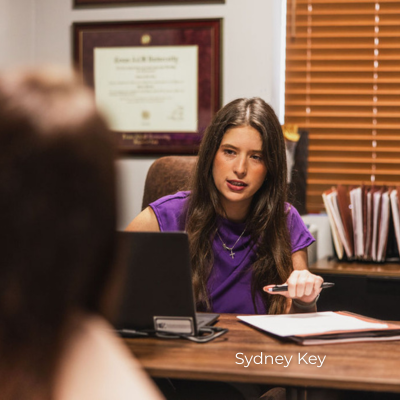
Texas Probate Administration
Independent vs. Dependent Administration in Texas
Texas probate law provides different ways an estate can be administered. Two important forms are independent administration and dependent administration.
Independent Administration
Independent administration generally gives the executor or administrator greater flexibility to handle estate matters with less ongoing court supervision. When authorized, this can make the probate process more efficient and streamlined.
- Less ongoing court supervision
- Greater flexibility for the executor
- Faster and more streamlined administration
- Fewer court approvals for routine matters

Dependent Administration
Dependent administration involves greater court supervision. The personal representative may need court approval for certain actions involving the estate, which can make the process more involved.
- More court approvals may be required
- Greater court supervision
- More formal estate administration
- Potentially longer and more involved process
What to Expect During Probate
Understanding the Texas Probate Timeline
Every estate is different, so there is no single timeline for probate in Texas. Some estates may be resolved within several months, while more complicated estates can take considerably longer.

Open the Estate
The probate process begins by filing the appropriate application with the court and taking the necessary steps to appoint a personal representative.

Identify Assets & Debts
Estate assets are identified and valued while outstanding debts, creditor claims, and other obligations are addressed.

Distribute & Close
After required obligations have been handled, remaining assets can be distributed to the appropriate beneficiaries or heirs and the estate can move toward closing.
Probate Services
How We Can Help With Probate
At Blizzard & Zimmerman Attorneys, we provide personalized guidance based on the circumstances of each estate.

Probate Administration
Guidance through the legal and procedural requirements of administering an estate.

Executor Guidance
Helping executors understand their responsibilities and fulfill their duties properly.

Estate Administration
Assistance with identifying assets, addressing debts, managing required filings, and distributing estate property.

Probate Disputes
Representation and guidance when disagreements or legal disputes arise during the probate process.
FAQS
Frequently Asked Questions
Probate is the legal process of administering a person’s estate after death. It may involve validating a will, addressing debts and claims, and distributing assets to beneficiaries or heirs.
No. Whether probate is necessary depends on factors such as how assets are owned, whether they pass through beneficiary designations or other mechanisms, and the circumstances of the estate.
The timeline varies depending on the estate. Some relatively straightforward estates may be completed in several months, while complicated estates or disputed matters can take much longer.
Independent administration generally allows an estate’s personal representative to handle many matters with less ongoing court supervision, when authorized under Texas law.
Dependent administration involves greater court supervision and may require court approval for certain actions taken by the personal representative.


Don’t Face Probate Alone
Probate can be complicated, but you don’t have to navigate the process by yourself. Blizzard & Zimmerman Attorneys can help you understand your responsibilities, address legal requirements, and move the estate forward with confidence.