

What Happens If You Die Without a Will in Texas?
When someone dies without a valid will, they are considered to have died intestate. Texas intestacy laws determine how certain assets are distributed rather than allowing the deceased person to specify their wishes in a will.

Who Inherits?
Without a will, Texas intestacy laws determine who may inherit your property rather than allowing you to choose your beneficiaries.

Who Handles Your Estate?
Without clear instructions, the administration of your estate can become more complicated and may require additional court involvement.

What About Your Children?
A will allows you to nominate the people you would prefer to serve as guardians for your minor children if both parents are unable to care for them.

How Is Your Estate Administered?
Your estate may need to go through the Texas probate process, potentially creating additional time, expense, and uncertainty for your loved ones.

What Does a Will Do?
A will allows you to document important decisions about what should happen to your property and assets after your death. A properly prepared will can help provide clear instructions and reduce uncertainty for your loved ones.
Depending on your circumstances, your will can:
- Identify who should receive your property and assets.
- Name an executor to handle your estate.
- Nominate guardians for minor children.
- Establish how certain assets should be distributed.
- Include provisions for trusts when appropriate.
- Address specific gifts or personal belongings.
- Help make your wishes clear during the probate process.
A will is an important part of an overall estate plan, but it may not address every estate-planning need. Depending on your circumstances, other planning tools, including trusts and beneficiary designations, may also be appropriate.
Types of Wills
What Type of Will Do You Need?
There is no one-size-fits-all will. The appropriate approach depends on your family, assets, and estate-planning goals.
Simple Wills
A simple will may be appropriate for individuals or families with relatively straightforward assets and wishes. It can establish beneficiaries, name an executor, and address guardianship considerations.

Wills With Trust Provisions
Some wills include provisions creating or directing assets into a trust after death. This can be useful when planning for minor children, beneficiaries who may need additional protection, or more complex family circumstances.

Wills for Complex Estates
If you have business holdings or complex financial assets, we’ll help ensure they’re distributed or managed properly, keeping your family protected and your legacy intact.
Updated or Revised Wills
A will should reflect your current life circumstances. Marriage, divorce, children, grandchildren, major asset changes, or other significant life events may make it appropriate to review or update your existing documents.
Why Us
Why Work With a Will Attorney?
Online and DIY will tools may appear convenient, but estate planning can involve decisions that go beyond simply filling in a form.
An attorney can help identify potential issues, explain your options, and ensure that your estate-planning documents are tailored to your circumstances.
Here are a few of the reasons why clients trust us with their legacies:
Skilled in Texas Laws
Our experience in the nuances of Texas state policies, ensures your will is enforceable.
Attention to Detail
No overlooked clauses or potential errors – every element of your will reflects your intentions.
Tailored Solutions
Your life is unique, so your estate plan will be, too.
Sydney Key’s Process
Sydney Key’s Approach to Will Preparation
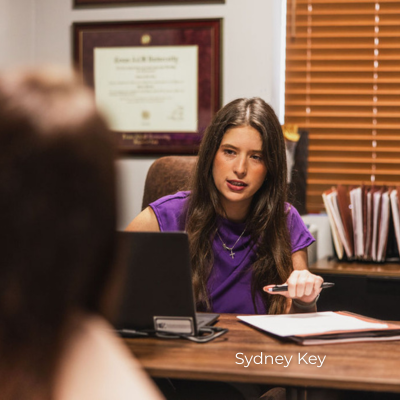
Attorney Sydney Key earned her law degree from Texas A&M University School of Law with a concentration in estate planning. She works with clients to understand their circumstances and create estate-planning documents that reflect their goals.
Step 1 — Understand Your Goals
Sydney begins by learning about your family, assets, concerns, and what you want your estate plan to accomplish.
Step 2 — Create Your Plan
Your circumstances are reviewed and your will is carefully drafted around your specific wishes.
Step 3 — Review & Update
Sydney walks you through your documents and helps keep your estate plan current as your circumstances change.
FAQS
Frequently Asked Questions
A Last Will & Testament is a legal document that explains how you want your property and assets to be handled after your death. It can also name the person you want to serve as executor and, for parents of minor children, identify your preferred guardians.
Having a properly prepared will gives your family clear instructions and can help reduce uncertainty during an already difficult time.
If you die without a valid will, you are considered to have died intestate. Texas intestacy laws determine how your assets are distributed rather than following your personal wishes.
This can create additional complications for families, particularly when there are children, blended families, separate property, or other unique circumstances.
Generally, no. A will typically must be presented through the Texas probate process before the assets controlled by the will can be distributed.
Texas probate can be relatively streamlined compared with some other states, but it still involves court proceedings and legal requirements. Depending on your goals and circumstances, other planning tools, such as a properly funded revocable living trust, may help avoid probate for certain assets.
A will does not automatically avoid probate. In fact, a will is generally used as part of the probate process to establish how an estate should be distributed. Other estate-planning strategies may help reduce or avoid probate for particular assets.


Take the Next Step Today
Planning for tomorrow starts with a single step today. Whether you’re creating a will for the first time or need to update an outdated one, Blizzard & Zimmerman Attorneys are ready to help you safeguard your legacy. Don’t leave your family’s future to chance. Call us now to schedule your case review with Attorney Sydney Key and ensure your will is skillfully prepared. Life is unpredictable, but your wishes don’t have to be. Start planning now to protect what matters most, your loved ones and your legacy.