If I Set Up A Trust, Will It Avoid Probate in Texas?
Navigating the complexities of estate planning can feel overwhelming. One of the most common questions we hear is about probate and how to make the process of passing on assets as smooth as possible for loved ones. Many people wonder if setting up a trust is the key to avoiding the probate process in Texas. The short answer is yes, a properly funded trust can be a powerful tool to bypass probate.
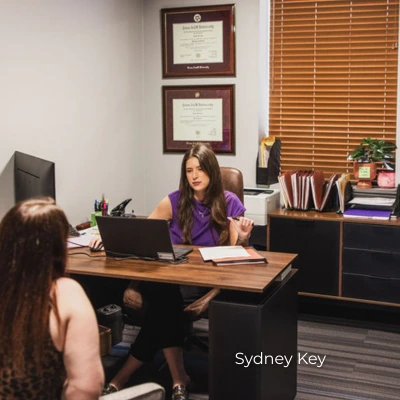
At the Abilene law office of Blizzard and Zimmerman, attorney Sydney Key helps individuals and families across Texas create comprehensive estate plans that protect their assets and provide peace of mind. Let's explore what probate is and how a trust can work for you.
What is Probate?
Probate is the court-supervised legal process used to validate a deceased person's will, settle their final debts, and distribute their assets to the designated beneficiaries. If a person dies without a will (intestate), the court will also oversee the distribution of their assets according to Texas state law.
While the Texas probate process is often less burdensome than in other states, it can still be:
Time-Consuming: The process can take several months, or even years, to complete, delaying when your heirs receive their inheritance.
Public: All probate court filings, including the will and a list of assets, become public record. Many families prefer to keep their financial affairs private.
Costly: Probate involves court costs, administrative fees, and attorney's fees, which can reduce the total value of the estate passed on to your loved ones.
How Trusts Work to Avoid Probate
A trust is a legal arrangement where you (the grantor) transfer ownership of your assets to a trustee. The trustee manages these assets for the benefit of your chosen beneficiaries according to the rules you establish in the trust document.
When you create a living trust, you typically name yourself as the initial trustee, so you maintain full control over your assets during your lifetime. You also name a successor trustee to take over management of the trust upon your death or incapacitation.
Here’s the key difference: Assets held within a trust are not considered part of your probate estate. Upon your death, the successor trustee steps in and distributes the trust assets directly to your beneficiaries as you instructed. This happens privately and without the need for court intervention.
Example: A Tale of Two Estates
Imagine two neighbors, Charlotte and Bill, each owning a home and-a-half million dollars in investments.
Charlotte has a will. When Charlotte passes away, her will must be submitted to a Texas probate court. The court will validate the will, and an executor will be appointed to manage the estate. This process involves filing paperwork, publishing notices, and creating an inventory of assets - all of which are public. Her children wait months for the process to conclude before they can inherit the property.
Bill has a living trust. Bill transferred his home and investments into his living trust before he passed. Upon his death, his designated successor trustee (his eldest daughter) takes control. She follows the trust's instructions, pays any final expenses, and distributes the assets to Bill's children and grandchildren directly. The entire process is handled privately, efficiently, and without court oversight.
The Importance of Properly Funding Your Trust
Simply creating a trust document is not enough to avoid probate. For the trust to be effective, you must "fund" it. Funding is the process of retitling your assets - such as your home, bank accounts, and investment portfolios - into the name of the trust.
Any assets left in your individual name at the time of your death will likely have to go through probate. An experienced estate planning attorney can guide you through the funding process to ensure your trust works as intended.
Is a Trust Right for You?
While a living trust is an excellent tool for avoiding probate, it's not the only solution, nor is it the right one for everyone. Other estate planning tools, such as beneficiary designations and rights of survivorship, can also pass certain assets outside of probate. A comprehensive estate plan should be tailored to your specific financial situation, family dynamics, and personal goals.
Secure Your Legacy with an Experienced Attorney
Creating a trust and developing a robust estate plan involves making critical legal decisions. Working with a knowledgeable estate planning attorney like Sydney Key ensures your documents are drafted correctly, your assets are properly titled, and your plan accurately reflects your wishes. We can help you understand all your options and build a strategy that protects your family and your legacy.
Don't leave your family's future to chance. Contact our Abilene law office and Sydney Key today to schedule a case review and learn how we can help you achieve your estate planning goals.